
How physical activity affects a child’s brain development.
Physical activity contributes to the development of higher mental functions in children and adolescents, such as memory, attention, thinking and others, and its absence can lead to learning difficulties and decreased academic performance.
Modern children have begun to move much less, as outdoor games have been replaced by computer games that do not require active involvement of the body.
The consequence of a lack of physical activity is an increase in neurological pathologies and deviations in speech development in children, as well as a decrease in academic performance.
Combining intellectual and physical activity is the best strategy for the harmonious development of a child.
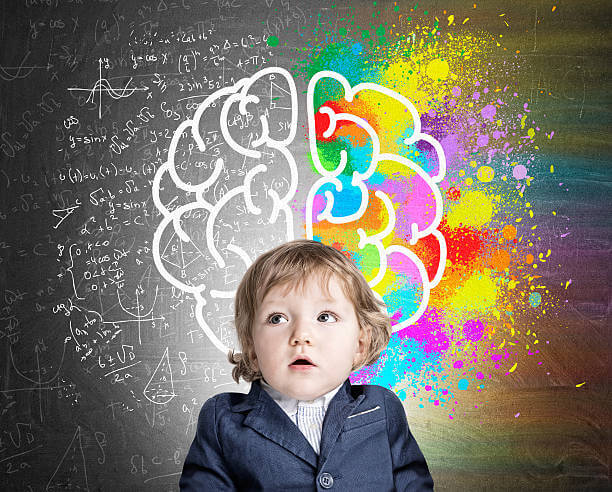
How does physical activity affect children’s brain development?
Physical exercises are associated with the development of cognitive functions and the emotional-volitional sphere of children of primary school age. During this period, the frontal cortex of the brain is actively formed, which is responsible for speech, behavior control, emotion regulation, attention, memory and other higher mental functions.
Regular exercise stimulates the growth of nerve cells and synapses in the brain. This leads to an increase in gray matter volume in areas responsible for memory, attention and cognitive abilities. At the same time, physical activity improves blood flow to the brain and provides it with more oxygen and nutrients, which also promotes cognitive development.
Scientific research confirms that active movement not only improves physical health, but also plays a key role in the structural and functional development of children’s brains.
Playing sports helps children concentrate better and switch more quickly from one activity to another. This is due to the production in the brain of more neurotransmitters (biologically active substances that transmit signals from nerve cells), such as dopamine, which is responsible for attention and coordination of movements. In addition, sports develop the executive functions of the brain, helping children effectively plan actions, control impulses and make informed decisions.
What type of physical activity should I choose?
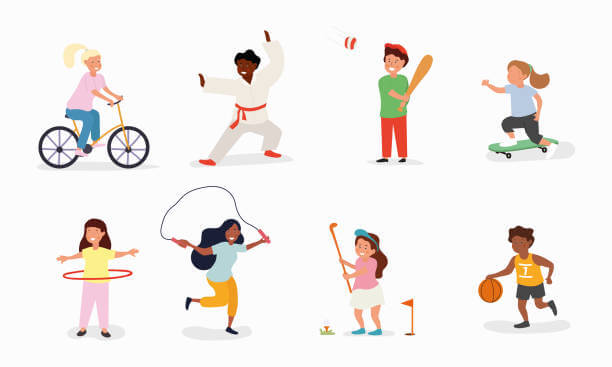
Exercise, especially aerobic exercise (eg, walking, running, swimming, skating, rowing, skateboarding, roller skating, dancing, basketball, tennis), increases the flow of oxygen and nutrients to brain tissue. This stimulates the growth of nerve cells and synaptic connections, increasing the ability to learn and concentrate. Exercises also help you learn to control your body and emotions, develop determination and self-confidence.
Eastern martial arts, such as taekwondo, karate or wushu, additionally train coordination, reaction speed, and the ability to anticipate the enemy’s actions. In addition, these classes develop perseverance, self-discipline and stress resistance. The study of complex motor skills and forms develops the motor areas of the brain, stimulates interhemispheric and interanalyzer (the analyzer is a set of receptors and neurons in the brain involved in information processing) interaction due to complex coordination of movements and concentration of attention. Also, exercises contribute to better organization of the rhythmic structure of speech (rhythmization is the primary prevention of the development of dysgraphia).
Complex coordination exercises (dancing, gymnastics) stimulate the development of associative zones of the cerebral cortex. This is a key mechanism that ensures the connection of different speech zones with each other. In addition, performing movements synchronizes the work of the hemispheres, which is important for normal speech pronunciation, because zones of both hemispheres are involved in the formation of oral speech.
Thus, a variety of physical exercises and especially complex coordination sports are an effective means of stimulating, developing and correcting the most important functions of the brain.
Physical activity has an integral impact on a child’s brain development. Scientific research confirms that regular exercise not only strengthens the body, but also helps develop a healthy and active brain. Parents and teachers can play a key role in encouraging children to be active and providing them with opportunities for physical development.


Hello, I’m Dorothy. I love writing and researching articles. Reading books about baby health, care and pregnancy are my favorite. I will be sharing delicious and healthy information on food and baby food during pregnancy.