
How does music affect a child’s development?
In a world of endless possibilities, where children quickly learn new skills and immerse themselves in diverse areas of knowledge, one of the most magical arts that can transform their world is music. Numerous studies confirm that the impact of music on a child’s development is enormous and varied. Let’s look at how sounds and melodies can be the key to harmonious physical, mental and emotional development.
What effect does music have on children in the womb?
It has been proven that music plays a special role in the development of a child’s brain before birth.
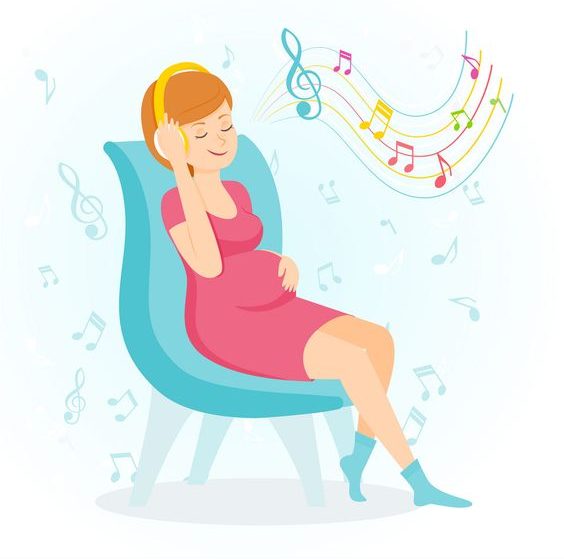
Listening to music during pregnancy not only has a calming and invigorating effect on the pregnant woman, but also has a positive effect on the baby in the womb.
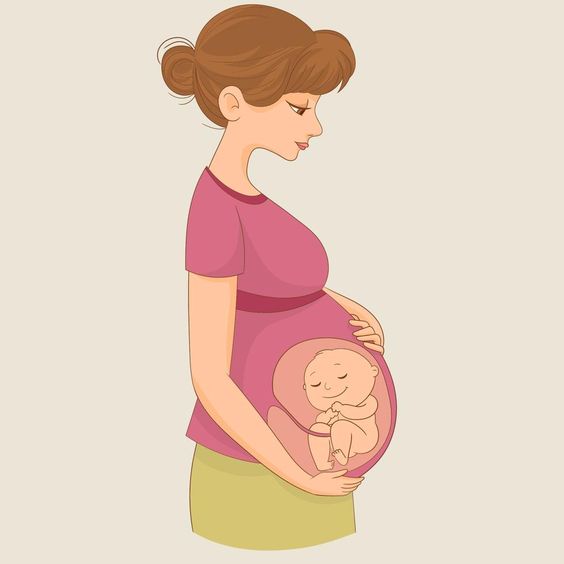
From about the 16th to the 18th week of pregnancy, the baby hears the first sound of its life.
By the 24th week, the little ears begin to develop rapidly, and it has been found that the baby turns its head in response to voices and noise, and in the last months of pregnancy, it can recognize its mother’s voice, her native language, individual words and rhymes.
What kind of music should a woman who is expecting a baby listen to?
In the third trimester, your baby will definitely be able to hear the music you listen to. Classical music, the gentle sounds of lullabies, pleasant melodies that put you in a joyful mood – they all have a calming effect.
How can music help a child’s brain development?
Music contributes to the all-round development of a child. Stimulates the development of various areas of the brain, including those responsible for speech, memory and motor coordination. Research shows that children who learn musical instruments often have more developed areas of the brain responsible for math and reasoning skills.
How to use music to calm your child and help him fall asleep?
Music awakens emotions, so using music is a well-known way to calm your baby.
Music is a good addition to a child’s sleep routine. It should be relaxing to promote a calm atmosphere and healthy sleep patterns.
The sound of a familiar tune or song becomes a music therapy session. A slow, calm and repetitive melody can slow down the baby’s heartbeat, which leads to calmer and deeper breathing.
Don’t underestimate the power of the voice of a mother, father, or any other person caring for a child when they sing songs to him. The voice is familiar and the rhythm of the music is soothing.
Where do lullabies come from?
It is believed that the English word “lullaby” (lullaby) comes from the sounds “lala” or “lulu”, which were pronounced by mothers or nannies while rocking their children to sleep. The other part of this word, “bye,” is another soothing sound, or a synonym for “goodnight.”
Lullabies often contain a simple story that soothes babies and helps them fall asleep.
Lullabies exist across all cultures and are sung in all languages. Brahms’ lullaby is perhaps the most famous and easily recognizable of all.
What musical instruments are best for kids?
There are many ways to create tunes with your child for free. The vocal cords are the only innate instruments available to humans.
There are other tools or methods, such as creating percussion sounds. You can tap, clap, snap your fingers, stomp your feet and pat your hands on your thighs. There are also many different things you can do around your home, for example, you can take a wooden spoon and bang a pot or pan with it, and you can do this with your child.
The best musical instruments you can buy for your child include a toy drum, rattles, bells, xylophones and maracas.
Development of language skills: words and music as companions. Comparing words and music not only enriches the child’s vocabulary, but also develops auditory memory. Studying musical texts helps develop language skills, perception of rhythm and intonation, which has a beneficial effect on communication skills.
Can music help develop a child’s social skills?
Listening to music or playing musical instruments together brings people together and encourages communication, promoting a feeling of “belonging” to what is happening around them.
Listening to music at an early age helps children express their emotions and share their feelings. Even at an early age, they can sway, jump, and move their arms to the beat of a tune. They can even compose their own songs. They learn to laugh, repeat words, and this helps them remember and use new words in their speech.
We know several mechanisms through which music influences our ability to connect with each other. Music affects the parts of the brain where human abilities for empathy, trust and cooperation arise, and this may explain why it has not been consigned to oblivion in any of the world’s cultures.
Music is present in many areas of our lives. At home, music can become part of our daily reality.
From birth, parents use music to soothe their children, express love and joy, generate interest and interact.
Parents can build on these natural instincts by observing how music influences children’s development, helps them develop social skills, and benefits children of all ages.
It also promotes calm and concentration: music as meditation.
Rhythmic melodies and sounds can create a cozy environment and promote relaxation. This is especially important in the modern world, where children are often exposed to stress. Music becomes a kind of meditation, helping to improve concentration and mental well-being.
In conclusion, music not only enriches our lives with pleasant sounds but is also a powerful tool for the all-round development of a child. Introducing music into a child’s daily life from birth can be a magical key to the formation of a harmonious and successful personality.
We advise you to start using music to communicate with your children as early as possible.
The material used was an interview with Dr. Ibrahim H. Baltagi, a lecturer at the Lebanese American University and director of the music program at the Lebanese International University. He published a series of music books for children.


Hello, I’m Dorothy. I love writing and researching articles. Reading books about baby health, care and pregnancy are my favorite. I will be sharing delicious and healthy information on food and baby food during pregnancy.