
3 main directions for the correct physical development of a child
Let’s consider the features of the development of the brain, body, and sense organs
In the first 6 years of a child’s life, almost the entire brain will be formed, which he will use for the rest of his life, and this is 60%-80% of the total brain volume, 1-3 years – 90% will already be formed, 3-6 years – 96% -97%. 0-6 years is an invaluable time for a child.
The first 6 years of life are the greatest responsibility of parents. This time determines what the child will be like in later life. Good or evil, mediocre or talented, healthy or sick, strong in spirit or weak, successful or unsuccessful.
It is at this time that it is necessary to lay a good, strong foundation on which the child will subsequently be able to build a huge number of floors from his achievements and other positive aspects.
It is important that during this period the child understands himself, begins to hear himself and learns to understand his intuition, inner voice, understand his desires, talents, develop independence skills and be able to make decisions.
This is important so that in the future he understands himself: “Who am I?”, “What do I love?”, “What activities do I want to do?”, “What do I get pleasure from.” After all, a person who does what he loves, he is passionate about this work to the fullest. He will truly be successful.
What if the parent doesn’t want to work with the child? Practice shows that if a parent does not want to deal with the development of a child for the first 6 years of life, then in subsequent years he will solve problems in behavior, development, learning, etc.
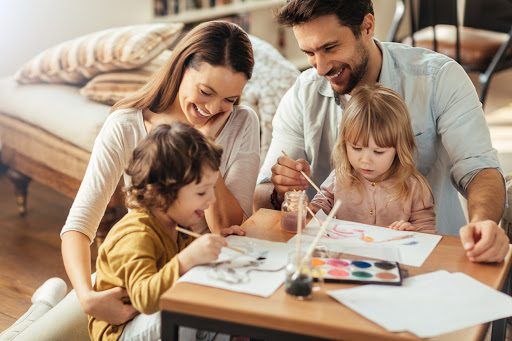
Our children reveal their abilities exactly as much as we put our efforts into them.
What needs to be done for this:
- It is important that the child has proper physical development.
- Engage in sensory development. Develop hearing, vision, and all other senses, thanks to which the child will have clear channels for perceiving information. He will easily perceive all the information he encounters from the outside.
Early development is not about learning letters and numbers, but about practicing physical actions, thanks to which the brain learns to control the human body.
The brain controls the entire body (muscles). The brain’s ability to send clean signals to muscles depends on good motor and sensory experience. The more motor and sensory experience, the better the child develops.
For the first 3 months, the baby does not control his movements, and then the brain learns to control his body.
It is also very important that the child has an emotional connection with his parents. So that the child trusts you and understands that you are his significant adult. Only such a child will be able to move confidently into the development process and will feel that you are his reliable support.
Neurological features to pay attention to:
- restless;
- capricious;
- anxious;
- cries often;
- clumsy;
- very picky and capricious when it comes to food;
- reacts sharply to changes in weather;
- motion sickness in the car;
- are irritated by loud sounds or strong smells;
- inattentive;
- speaks poorly;
- lazy.
Problems. What do non-integrated reflexes lead to:
– problems with attention and concentration;
-poor body coordination;
-may have problems with reading;
– sloppiness when eating, clumsiness;
-slowness when completing tasks;
-difficulty writing, illiteracy, poor handwriting;
– violation of fine motor skills;
-poorly developed speech;
-behavior problems.
In adulthood, developmental kinesiology combats poor posture and scoliosis. The quality of life may also be impaired, and there may be a lack of ease and joy from performing usual daily activities; little strength, vigor; hyperactivity; inability to cope with panic reactions and phobias; poor control of one’s reactions in stressful situations, inability to provide oneself and others with support and assistance.
A child whose reflexes are poorly integrated may be constrained, complex, timid, insecure, unable to present himself, and does not study well.
To avoid all this, exercises based on the BMM principle (balance, manual skills and mobility) are necessary:
- development of balance;
- tactile sensitivity;
- awareness of the space and boundaries of your body;
- development of bilateral coordination;
- correct breathing.
The more proper physical activity, the faster and more intelligence develops. This affects the child’s social adaptation and communication skills.
There are three main areas of physical development that you should pay attention to from the very birth of your baby. These areas not only form the basis for physical health, but also have a profound impact on the development of the brain, body and senses. Let’s look at each direction in more detail.
1.Balance: a key element of sensory development.
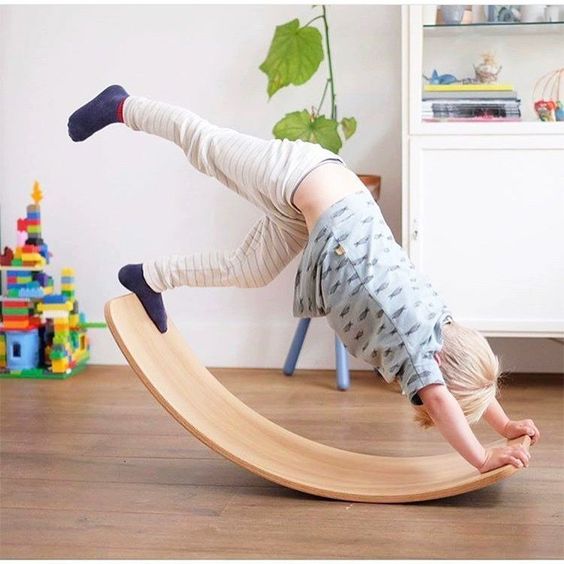
Balance is key to a child’s sensory development. The more his ability to maintain balance develops, the better all his senses function. Thanks to a variety of exercises and games aimed at developing balance, the child improves coordination of movements, strengthens muscles and improves the functioning of vision, hearing, taste, touch and smell.
And what exercises are considered proper physical activity for children? Let’s look at them.
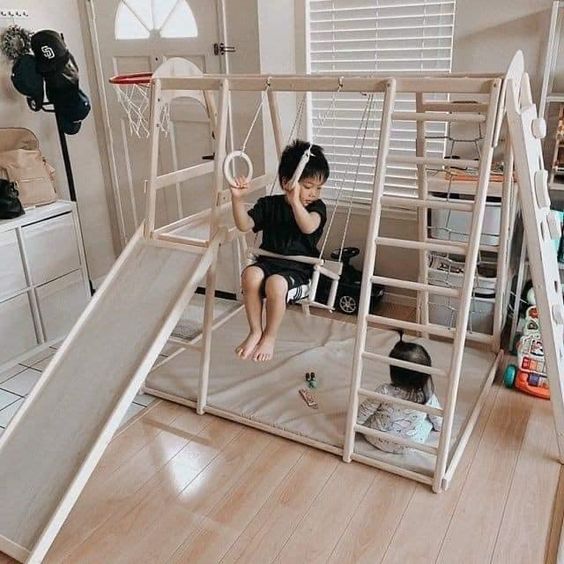
30 EXERCISES THAT CONSTITUTE AN ACTIVE BALANCE PROGRAM
1.Walking with objects in hands
2.Rolling
3. Forward somersaults
4. Back somersaults
5. Swinging on a swing
6. Walking on rough terrain
7.Passing the crossbars
8.Walking at different heights, for example, along a barrier.
9. Climbing (using stairs, rope ladder, climbing a tree, etc.)
10.Jumping down.
11. Long jump
12.High jump
13. Jumping on one leg
14. Jumping rope
15.Walking on a log (beam)
16.Handstand
17. Squats
18. Squatting movement (up and down)
19.Pirouettes (spins like those done by ballerinas)
20. Walking as usual, backwards, sideways
21. Rocking
22.Walking on stones, not far from each other
23. Swinging on a rope
24. Long walks
25. Running with obstacles – that is, jumping over and crawling under obstacles located at different heights from the ground
26.Moving up the stairs with the help of intercepting hands (regular, back forward, sideways and with a turn)
27.Sliding on the board
28. Swinging or running on a trampoline
29. Jumping on a trampoline with two legs and on one leg
30. Exercises and bends with hands touching feet
When the formation of the vestibular apparatus of the brain is completed, it will be able to improve in a wide variety of exercises that require the ability to maintain balance – there are no restrictions here.
Your child is already fully prepared for any type of physical activity: gymnastics, ballet, figure skating, diving, surfing, skating, skiing, pole vaulting, judo or aikido.
To everything you want
WHAT ELSE DEVELOPES BALANCE:
- Cycling
- Scooter
- Rollers
- Skate
- Skis
- snowboard
- Trainers – balancers
- Swing, circular swing, Carousel, Balancer, Rocking chair, Slide
2. Manual skills: the basis for successful study and knowledge of the world.
Well-developed manual skills provide a child with an advantage in learning and perceiving the world around him. Strengthening the senses has a beneficial effect on the ability to easily study at school and process information quickly and efficiently. Various games that train fine motor skills and coordination become an important part of developing successful manual skills.
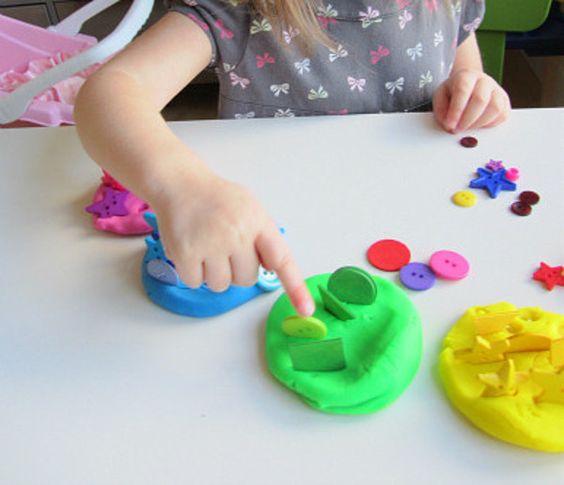
With the help of fine movements of the fingers – fine motor skills – develops
- attention,
- imagination,
- thinking,
- all types of memory,
- observation,
- speech
3. Mobility: Balanced development of physical, mental and emotional intelligence.
What does physical training do?
1. Develop independence and self-service skills.
2. Increase self-esteem.
3. Helps to demonstrate leadership qualities.
4. They make it easier to control your own body, develop coordination and the vestibular apparatus.
5. Improve motor skills
6. Strengthen the muscle corset.
7. Reduce moodiness, improve sleep.
8. Promote the development of memory, attention, concentration.
9. Do only what is necessary, not everything and as much as possible.
10. Watching cartoons and gadgets is a passive effect on the brain, during which it turns off and does not develop.
Mobility is the foundation for a child’s balanced development. Well-developed physical, mental and emotional intelligence not only ensures health, but also simplifies adaptation in society. Outdoor games, physical training and exercises contribute to the harmonious development of children, making them more friendly and successful in communicating with others.
This is the basis on which children’s development is built.
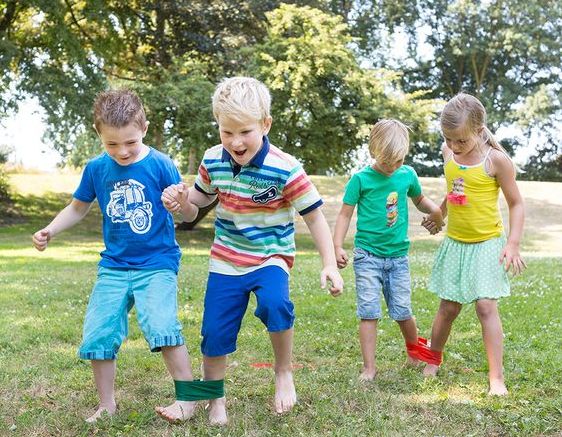
The development of the brain, body and sensory organs are closely related and interdependent. Exercise and training help improve blood flow to the brain, which in turn supports cognitive function. The development of the senses is an integral part of this process, determining the degree of perception of the world and the child’s ability to adapt to the environment.
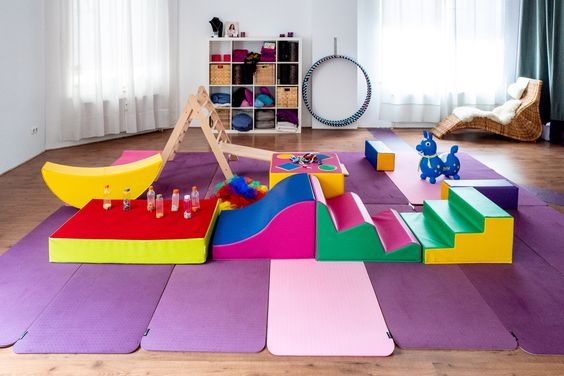
Consequently, attention to the development of balance, manual skills and mobility from the very beginning forms the basis for health, academic success and social activity. Parents and teachers should remember the importance of sensory development to ensure the harmonious and comprehensive growth of every little person.


Hello, I’m Dorothy. I love writing and researching articles. Reading books about baby health, care and pregnancy are my favorite. I will be sharing delicious and healthy information on food and baby food during pregnancy.